

Plan Events Confidently
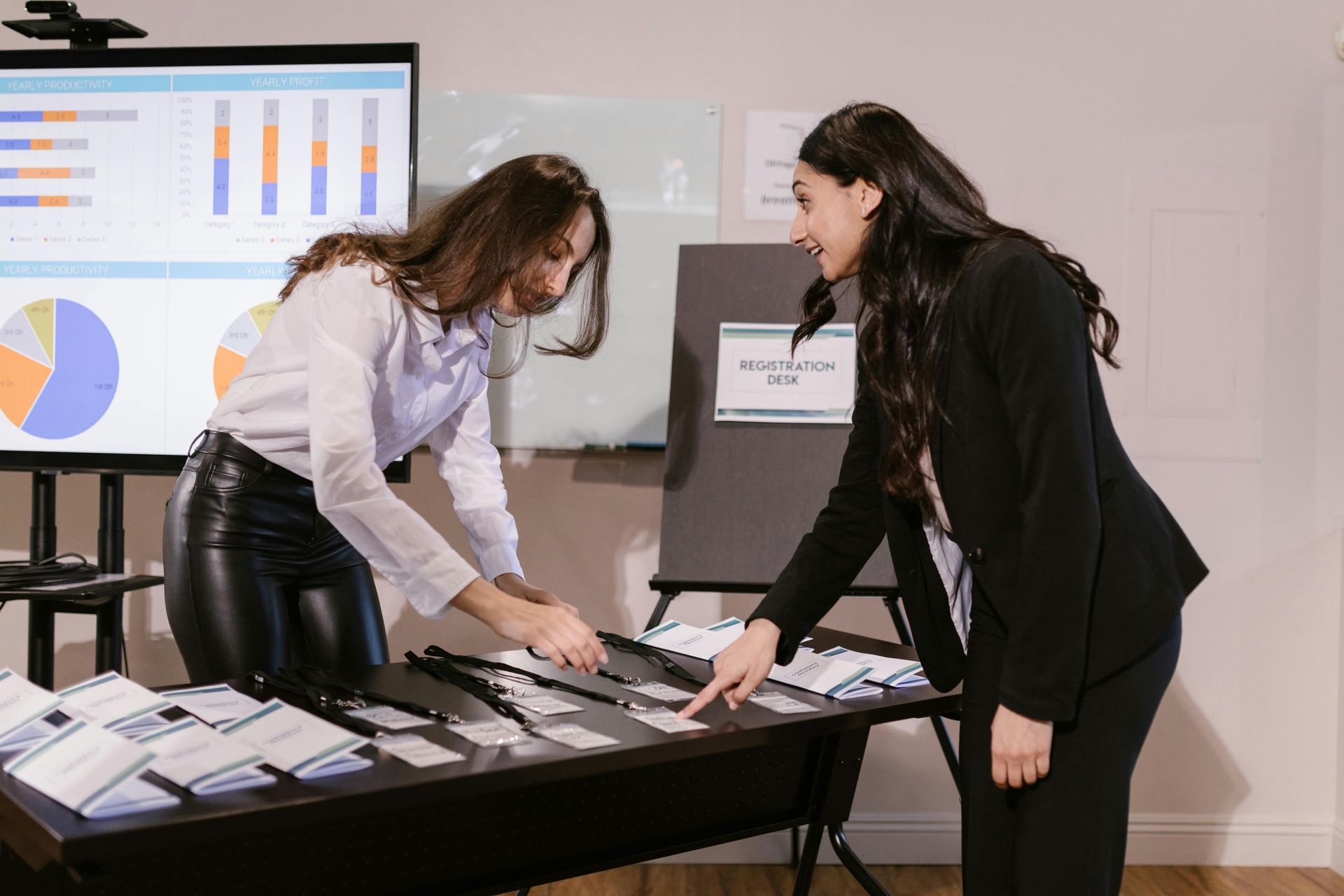
Effective event planning starts with clear goals and detailed preparation to ensure flawless execution.
Plan smart, execute flawlessly
Actionable Tips for Successful Event Planning
Preparation
Execution
Follow-up
Venue selection and booking
Guest list and invitations
Catering and menu planning
Entertainment and activities
Decor and theme setup
Logistics and transportation
On-site coordination and management
Comprehensive Event Planning Checklists
Client Testimonials
Rami Haddad

Maya and her team

Nadine Karam

Jad El Khoury

Lara Mansour

Omar Saad


Common Questions About Planning Your Event
When should I start planning my event?
Begin planning as early as possible, ideally 6 to 12 months before the event date for large or complex gatherings. Smaller events can often be planned within 3 to 6 months. Early preparation ensures availability of preferred venues and vendors.
Starting early also allows ample time for budgeting, invitations, and contingency planning, reducing last-minute stress and improving overall event quality.
How do I create a realistic budget?
Outline all expected expenses including venue, catering, entertainment, décor, and contingency funds. Research vendor pricing and allocate funds based on priorities to avoid overspending.
Regularly review and adjust your budget as plans evolve. Transparent communication with your event planner helps keep costs aligned with your vision.
What are the key milestones in event planning?
Key milestones include finalizing the guest list, booking the venue, securing vendors, sending invitations, and confirming logistics. Each milestone should have a deadline to maintain progress.
Tracking these milestones with a timeline or checklist ensures no critical tasks are overlooked and helps coordinate all involved parties effectively.
How do I choose the right venue?
Consider location accessibility, capacity, ambiance, and available amenities. The venue should align with your event’s theme and guest experience goals.
Visit potential venues in person to assess suitability and discuss restrictions or additional services offered to ensure a smooth event flow.
What should I include in my event checklist?
Your checklist should cover all phases: initial planning, vendor bookings, invitations, setup, event day coordination, and post-event follow-up.
Detail tasks such as contract signings, menu selections, technical requirements, and guest accommodations to maintain organization and accountability.
How can I ensure smooth coordination on the event day?
Assign clear roles to your team or hire professional event managers to oversee logistics, timing, and vendor interactions during the event.
Prepare a detailed event run sheet and conduct a final walkthrough to anticipate challenges and confirm all elements are in place.
What if unexpected issues arise during the event?
Have contingency plans for common issues like weather changes, technical failures, or vendor delays. Maintain open communication channels with your team and vendors.
Experienced event planners anticipate risks and respond quickly to minimize impact, ensuring the event proceeds smoothly despite challenges.